logo

How to Reduce Blade Wear in U.S. Plastic Recycling: Crusher Blade Selection for High-Load Applications

April 21, 2025

সর্বশেষ কোম্পানির খবর How to Reduce Blade Wear in U.S. Plastic Recycling: Crusher Blade Selection for High-Load Applications

Market Background: Blade Wear in High-Load Recycling Systems

In the United States, plastic recycling operations are processing increasing volumes of post-consumer and industrial plastic waste. Recycling systems such as crushers and shredders are typically designed for continuous operation under high-load conditions, especially when handling rigid plastics and mixed materials.

Under these conditions, blade wear has become a key factor influencing production stability. As cutting edges degrade over time, issues such as inconsistent particle size, reduced processing efficiency, and increased maintenance frequency may occur.

As a result, manufacturers are paying closer attention to how crusher blade design and material selection affect performance in high-load recycling environments.


Key Causes of Blade Wear in High-Load Conditions

Material Variability in Recycling

Plastic recycling systems often process a wide range of materials, including PE, PP, PVC, and contaminated waste streams. These materials present different cutting resistance, increasing stress on the blade edge.

Over time, this leads to:

  • accelerated edge wear

  • variation in cutting performance

  • inconsistent particle output


Continuous High-Load Operation

Crusher blades in U.S. recycling plants often operate under continuous cutting cycles without interruption. High-load conditions, especially when processing thick or rigid plastics, increase mechanical stress on the blade.

This accelerates wear and may shorten replacement cycles.


Blade Material and Heat Treatment

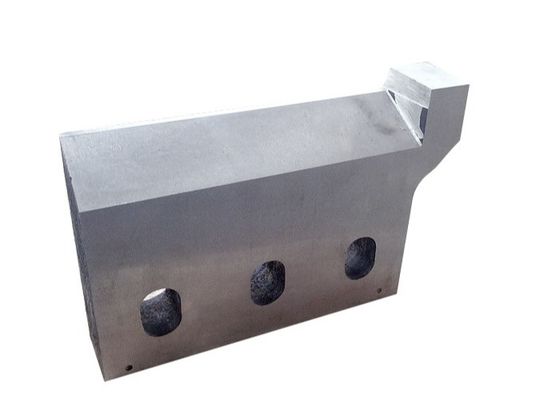
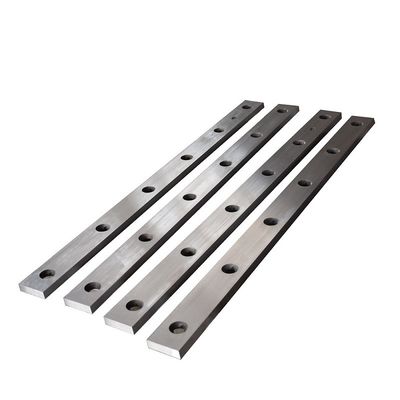
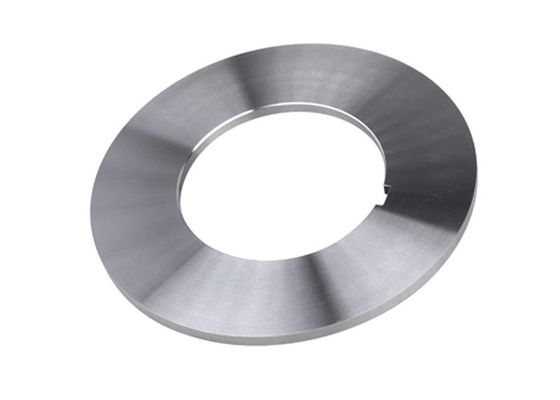
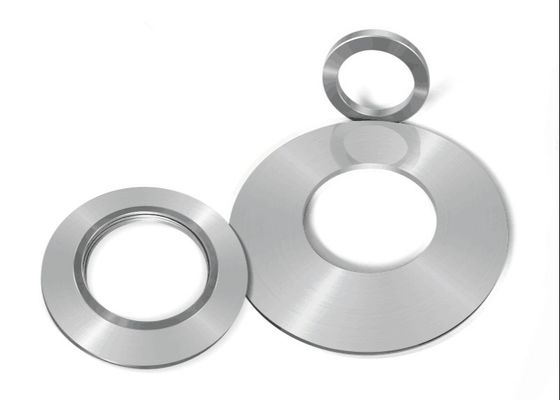
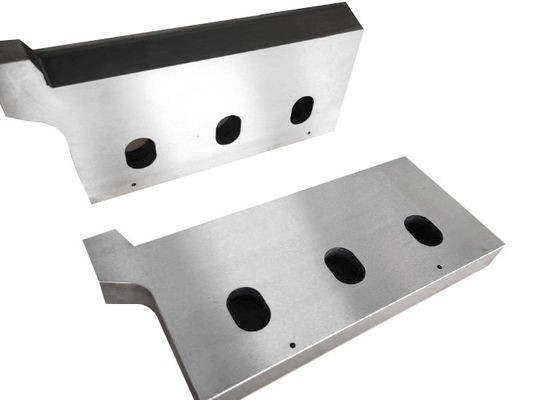
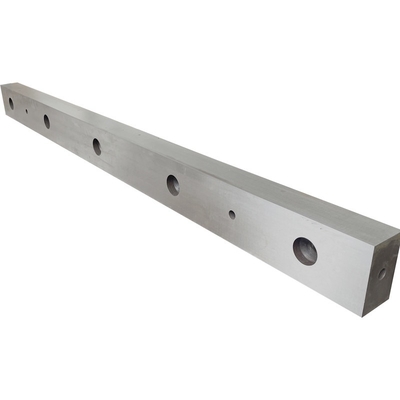
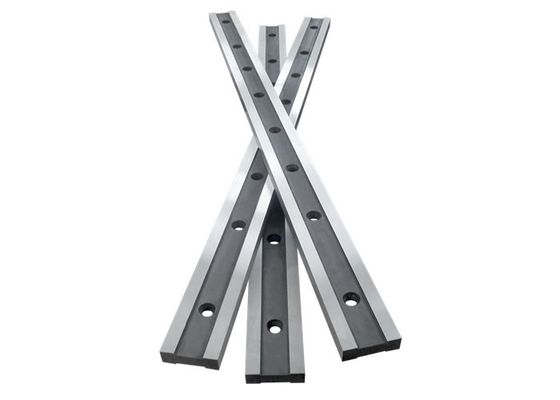
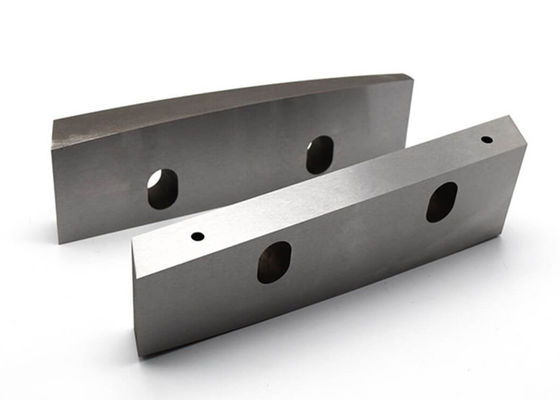
Crusher blades are typically manufactured from tool steels. Their performance depends on achieving a suitable balance between hardness and toughness through controlled heat treatment.

If this balance is not properly maintained, the blade may experience:

  • edge chipping

  • deformation

  • reduced stability during operation


Role of Crusher Blade Design in High-Load Performance

Controlled Heat Treatment

Blades produced with controlled heat treatment maintain stable material properties under repeated high-load cutting conditions.


Precision Machining and Edge Geometry

Precision machining ensures consistent blade geometry, helping distribute cutting forces evenly across the edge and reducing localized stress.


Application-Specific Matching

Selecting crusher blades based on:

  • plastic type (PE, PP, PVC)

  • material condition (rigid, flexible, mixed)

  • machine configuration

helps ensure that the blade operates within suitable conditions and reduces unnecessary wear.


Selection Guide for High-Load Recycling Applications

When selecting crusher blades for high-load plastic recycling applications, manufacturers typically consider:

  • tool steel material with controlled heat treatment

  • precision-machined cutting edges

  • dimensional compatibility with crusher systems

These parameters are directly related to blade wear behavior and operational stability.


Conclusion

Blade wear in U.S. plastic recycling operations is influenced by material variability, high-load conditions, and blade design.

Crusher blades manufactured with controlled processes and matched to application requirements are widely used to support stable performance and maintain operational continuity in industrial recycling systems.


আমাদের সাথে যোগাযোগ করুন
ব্যক্তি যোগাযোগ : Mr. Bob Zhang - Export-Sales Manager
টেল : 8615026682114
ফ্যাক্স : 86-0510-83632182
অক্ষর বাকি(20/3000)